Professional interpreters do far more than translate words.
They interpret human experiences.
Court interpreters, medical interpreters, asylum interpreters, and humanitarian interpreters are constantly exposed to:
Trauma
War stories
Refugee interviews
Human suffering
Cultural conflict
Poverty
Psychological distress
Fear and survival narratives
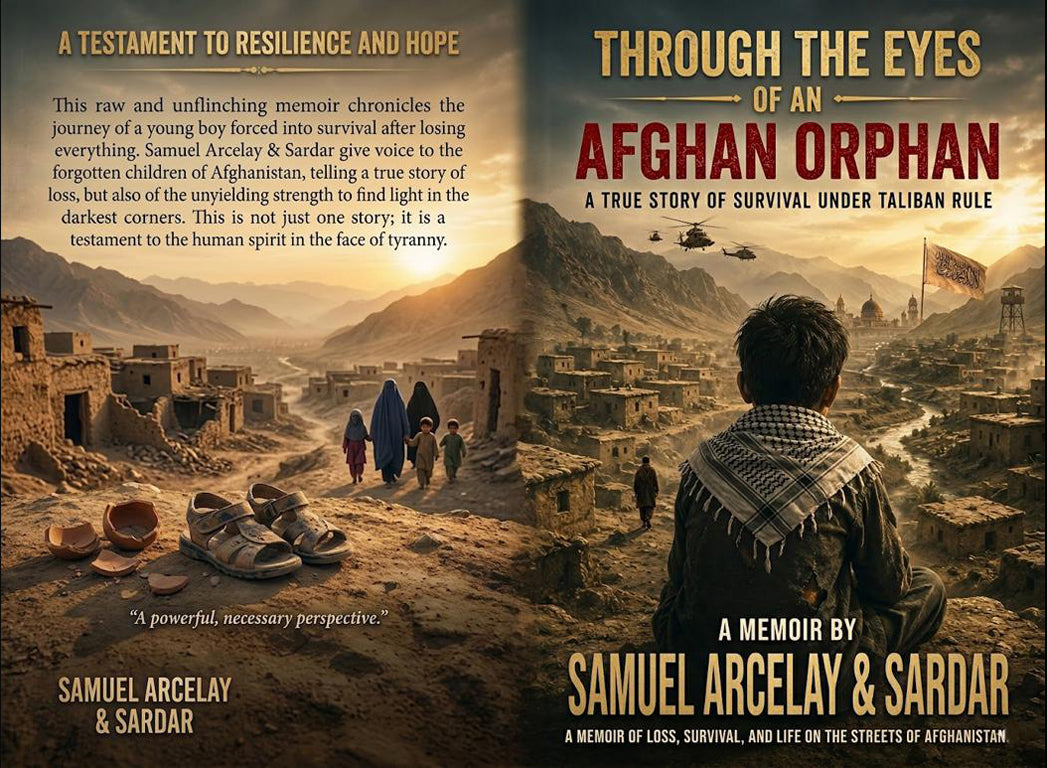
Books like Through the Eyes of an Afghan Orphan help interpreters understand the emotional, cultural, psychological, and human realities that often exist behind interpreted conversations.
An interpreter working with Afghan refugees, asylum seekers, trauma survivors, or individuals from conflict regions may hear stories involving:
War
Displacement
Religious pressure
Tribal customs
Fear of authority
Childhood trauma
Poverty and labor exploitation
Loss of family members
Understanding these human realities can help interpreters develop:
Greater cultural awareness
Professional empathy
Emotional intelligence
Psychological insight
Stronger communication awareness
Better contextual understanding during interpretation
The Interpreter Academy is not only about memorizing terminology.
It is about understanding people, environments, communication, stress, behavior, emotion, and the psychological realities surrounding human interaction.
Interpreters often become the linguistic bridge between human suffering and institutional systems.
For that reason, books involving psychology, trauma, human behavior, resilience, and cross-cultural human experiences are highly relevant to professional interpreter development.
The stronger an interpreter understands humanity itself, the stronger the interpreter often becomes professionally.
Through the Eyes of an Afghan Orphan is a powerful autobiographical memoir about survival, poverty, isolation, labor, war, and emotional endurance inside rural Afghanistan under Taliban influence and tribal traditions.
Written with raw honesty and psychological realism, this memoir takes readers beyond headlines and politics into the daily human reality of fear, hunger, loneliness, and resilience.
From orphan survival and child labor to learning English and discovering technology, Sardar’s story reveals the emotional reality of growing up forgotten by society while searching for dignity, meaning, and hope.
A deeply human memoir about survival, identity, suffering, and the desire for a better life.